You spend two hours washing your car. To ensure the best possible results, you use the two-bucket method, apply the best soap, and rinse off every speck of dirt. Then you grab a cheap, thin towel to dry the paintwork. Within minutes, you notice water spots, smears, and fine scratches appearing in the clear coat.
Most people are unaware that it is actually the drying phase which causes most paintwork damage. A standard bath towel or low-quality chamois drags microscopic grit across the surface. They also fail to absorb water quickly, forcing you to wipe the same panel multiple times.
Upgrading your drying towel prevents these issues. Smartora is one of the market leaders in heavyweight drying towels designed specifically for automotive and industrial use. These towels absorb up to seven times their weight in water and use split microfibres to protect your paint. Here is exactly how they work, how to use them, and how to maintain them.
What Does Heavy Weight Actually Mean?
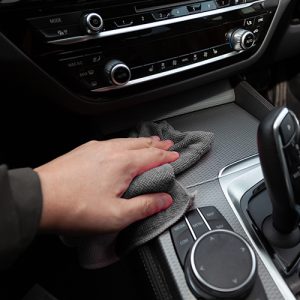 When you shop for drying towels, you will see a GSM rating. GSM stands for Grams per Square Metre. This number measures the density and weight of the fabric.
A standard kitchen cloth measures around 150 to 200 GSM. A basic gym towel might measure 250 GSM. Smartora starts its heavyweight microfibre line at 300 GSM. They also make large-format towels, such as the Ultra Triple Twist Drying Towel measuring 70 by 90 centimetres.
A higher GSM means the towel contains more fibres per square inch. More fibres create a thicker, plusher material. This thickness serves two primary purposes. First, it dictates water capacity. A 300 GSM towel from Smartora delivers a quicker drying process. The large 70 by 90 centimetre Triple Twist model can hold enough water to dry a large SUV or a long-wheelbase van in one pass.
Second, the plushness protects your paint. No matter how thoroughly you wash your car, a few dust particles will remain on the surface or blow onto the wet paint from the wind. If you use a thin towel, the fabric presses those particles directly into the clear coat as you wipe. A thick, heavyweight towel provides deep piles of fabric for maximum softness. The dirt particles sink into the towel, keeping them safely away from the paint surface while you dry.
The Science Behind Smartora Microfibre Heavyweight Drying Towels
Smartora drying towels do not use natural cotton. They use a blend of synthetic polyamides and polyesters. These synthetic fibres are split during the manufacturing process, making them finer than a human hair.
This splitting process gives the towel a positive electrical charge. Dust and dirt particles hold a negative charge. When you pass the towel over a surface, the positively charged fibres attract the negatively charged dirt. You do not need to scrub or apply heavy pressure. The towel pulls the contamination off the surface naturally, which is another reason why they are ideally suited for automotive use.
When you use the towel wet, the fabric relies on capillary action. The microscopic spaces between the split fibres act like tiny tubes. They draw water, grease, and liquid dirt up into the core of the towel, making the towel incredibly absorbent. This capillary action explains why a Smartora heavyweight towel leaves glass and paintwork streak-free. It literally pulls the moisture away from the surface instead of pushing it around.
The Two-Towel System for Perfect Quick Drying Results
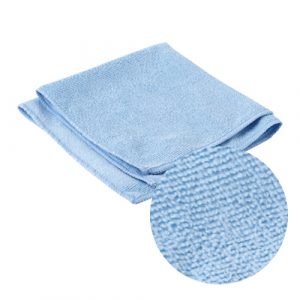 Professional detailers rarely rely on a single towel to dry an entire vehicle. Even with a heavyweight, high-capacity towel, the fabric will eventually become damp. A damp towel absorbs water more slowly than a dry one.
Implement a two-towel system to guarantee a streak-free finish. Dedicate your largest, heaviest towel as your primary water absorber. Use your Smartora Ultra Triple Twist towel for this step. Walk around the vehicle and remove 90% of the standing water. Do not worry about achieving a perfectly dry surface on this first pass. Focus strictly on bulk water removal.
Once you finish the first pass, grab a dry, clean 300 GSM Smartora cloth. Walk around the vehicle a second time to target the remaining moisture. Pay specific attention to panel gaps, door handles, wing mirrors, and the front grille. Water constantly hides in these crevices and drips down the paintwork minutes after you finish drying. The second, smaller towel will catch these specific drips and buff away any trace moisture left by the primary towel.
How to Dry Your Car Properly
Owning a high-quality drying towel solves half the problem. You must also use the correct drying technique. Most people dry a car by scrubbing it in tight circles. This method increases the risk of swirl marks and wastes time. Use the following steps to dry your vehicle safely and efficiently.
- The Drag Method for Flat Surfaces
Start with the large, flat panels of your car. This includes the roof, the bonnet, and the boot lid. Take your Smartora Triple Twist towel or your heavyweight 300 GSM towel and open it completely. Lay it flat across the wet paint.
Do not press down. Grab the two top corners of the towel and slowly pull it toward you across the surface. The heavy weight of the towel provides all the necessary contact pressure. As you pull, the microfibres will absorb the standing water in a single pass. This drag method keeps friction to an absolute minimum and prevents you from grinding trapped dirt into the clear coat.
- The Pat Method for Side Panels
When you move to the doors and side panels, the drag method becomes difficult because gravity pulls the towel down. Instead, use the pat method. Fold your towel into quarters. Press the towel flat against the wet door panel, hold it there for two seconds, and peel it away. Move to the next wet section and repeat.
Folding the towel into quarters gives you eight distinct, dry sides to work with. When the face you are using becomes saturated, flip the towel over to a dry side. This approach ensures you always have maximum absorbency working against the paint.
- Finishing the Glass
Always dry your glass last. Paintwork often holds trace amounts of wax or sealant from your wash soap. If you wipe the paint and then immediately wipe the windscreen, you will transfer those chemicals onto the glass, causing smears. Keep a dedicated Smartora 300 GSM cloth specifically for your windows. Because the microfibres leave no lint behind, you will get a perfectly clear finish without needing harsh glass cleaners.
Washing and Maintaining Your Quick Dry Towels
A heavyweight microfibre towel is an investment. If you care for it correctly, it will last through hundreds of wash cycles. If you wash it incorrectly, you will ruin the fibres in a single afternoon.
Wash at 40 Degrees Celsius
Smartora recommends washing their microfibre cloths at around 40 degrees Celsius. You can launder them at up to 95 degrees if they are heavily soiled, but high temperatures will cause some small shrinkage after the first few washes and make the fibres less effective over time. Stick to 40 degrees for routine cleaning.
Never Use Fabric Softener
Fabric softeners work by coating laundry in a thin layer of wax and oils to make the material feel soft. If you coat a microfibre towel in wax, you clog all the microscopic spaces between the split fibres. The towel will lose its capillary action and will simply push water around your car instead of absorbing it. Use a dedicated microfibre detergent or a free-and-clear liquid laundry detergent. Avoid powdered detergents, as the powder may not dissolve fully and will embed itself in the towel.
Air Dry or Tumble Dry on Low
Heat is the enemy of synthetic fibres. If you put your towels in a tumble dryer on a high heat setting, the polyester will melt. Melted microfibre turns hard and scratchy, and it will immediately damage your car’s paint the next time you use it. The best method is to hang the towels on a clothesline or an indoor drying rack. Because the material is designed to release water, they dry very quickly at room temperature. If you must use a tumble dryer, set it to the lowest possible heat setting.
Saving Money Through Bulk Purchasing
Buying cheap towels at the local auto parts store seems cost-effective in the short term. However, low-quality towels degrade quickly. They lose their softness, the edges fray, and they stop absorbing water after a dozen washes.
Smartora supplies these heavyweight towels in bulk packs of 10. Buying a stack of 300 GSM microfibre cloths gives you a reliable supply for years. When one towel eventually becomes too dirty for automotive paint, you can demote it to an engine bay towel or a wheel cleaning cloth. By rotating your stock downward as it ages, you maximise the lifespan of every towel you purchase.
Practical Applications Inside the House
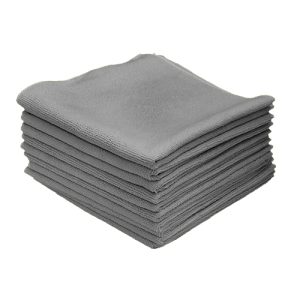 Heavyweight drying towels excel in the garage, but they offer significant utility indoors. The same properties that make them safe for car clear coats make them perfect for delicate household surfaces.
Use a dry Smartora towel to dust television screens and computer monitors. The positively charged fibres will pull the static dust off the screen without requiring liquid cleaners that could damage the electronics.
Keep a stack in the bathroom. After taking a shower, use a 300 GSM towel to wipe down the glass shower doors. It takes ten seconds to absorb all the condensation, preventing hard water stains and limescale buildup. In the kitchen, these towels handle large liquid spills on granite or quartz countertops quickly, lifting the moisture without leaving watermarks behind.
Although heavy-weight drying towels are not a subject you may have given a great deal of thought to, they can be an incredibly useful piece of equipment. If this article has opened your eyes to their many benefits, or indeed you have any questions you need answers to, then feel free to contact our friendly, knowledgeable and experienced customer service team on 0161 848 8008